Fruit Juice & Beverage Line
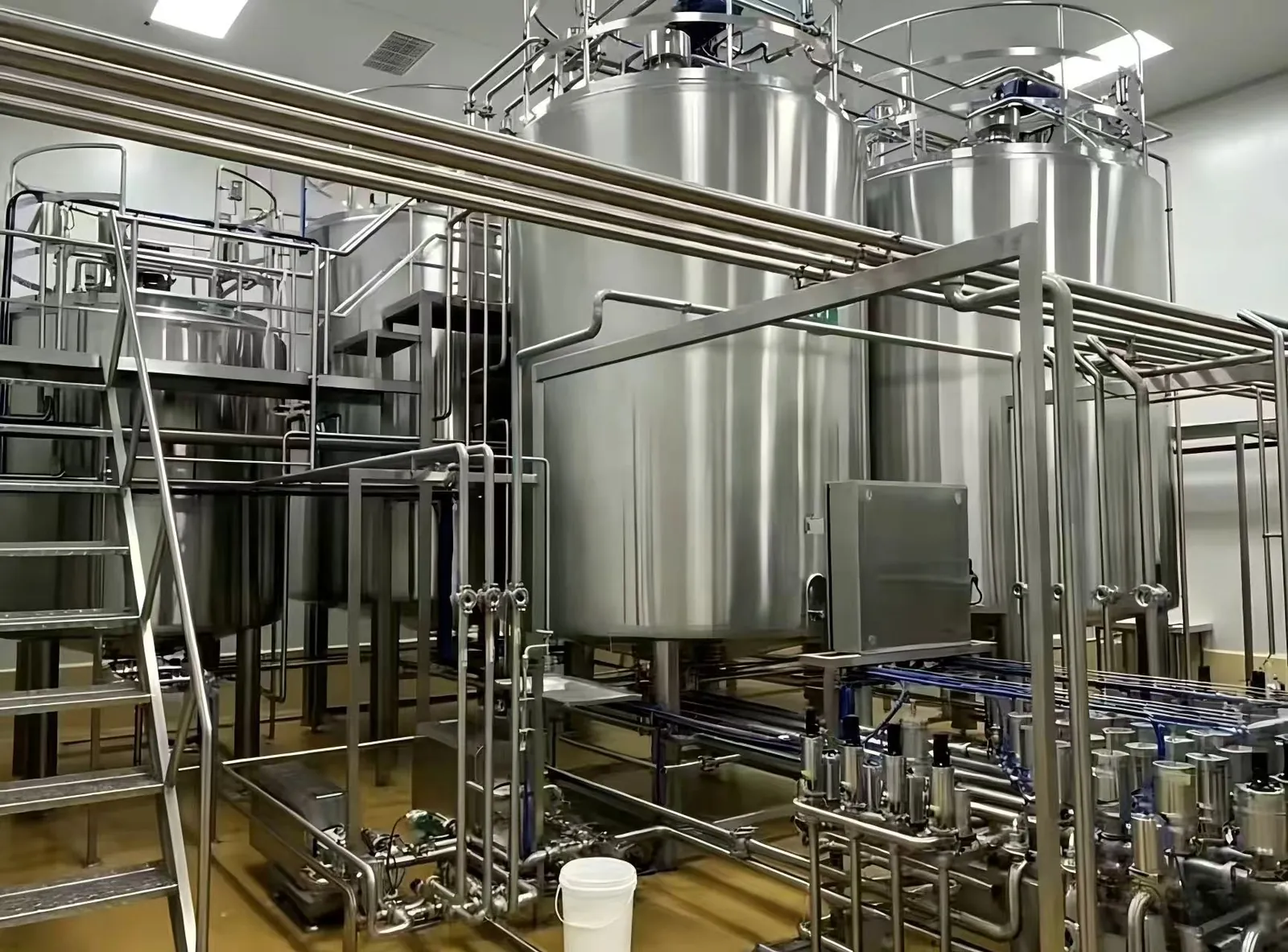
In a juice or fruit-drink plant most of the stainless steel is in the tank room: storage for juice or concentrate, sugar dissolving, blending and buffer tanks, all tied together by pipework and cleaned by one CIP system. That is the part we design and build.
Fruit preparation, extraction and filling are specified from established suppliers to suit your fruit and pack, integrated into the same layout, and named as bought-in in the quotation.
Process flow
Manufactured by us Specified & integrated
- 1 Fruit washing, sorting and extraction
Washers, crushers, pulpers or presses specified for your fruit — or skip this stage when you start from concentrate.
- 2 Juice and concentrate storage
Insulated, agitated tanks that hold juice or concentrate at temperature between deliveries and production.
Milk Cooling & Storage Tanks - 3 Sugar dissolving and blending
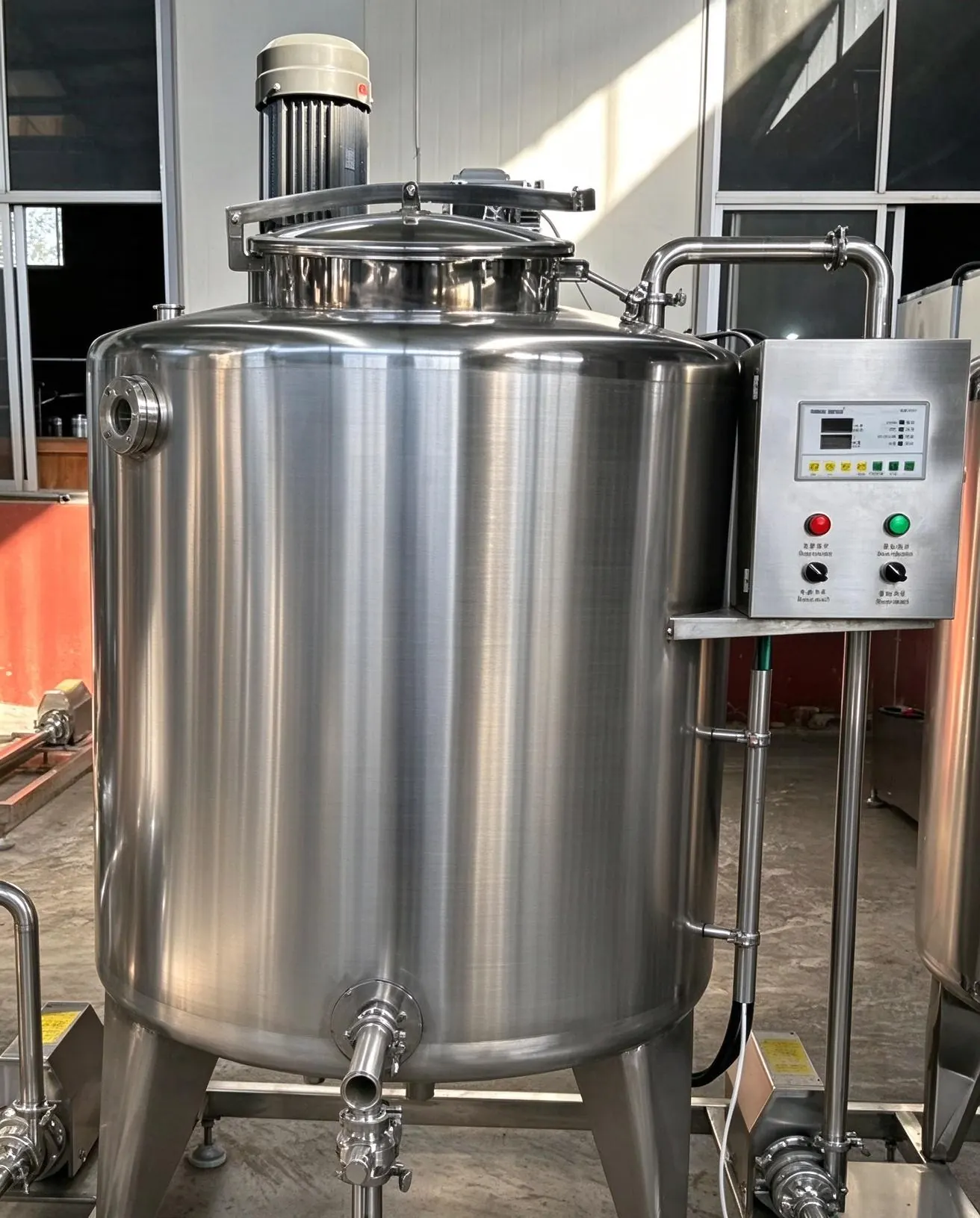
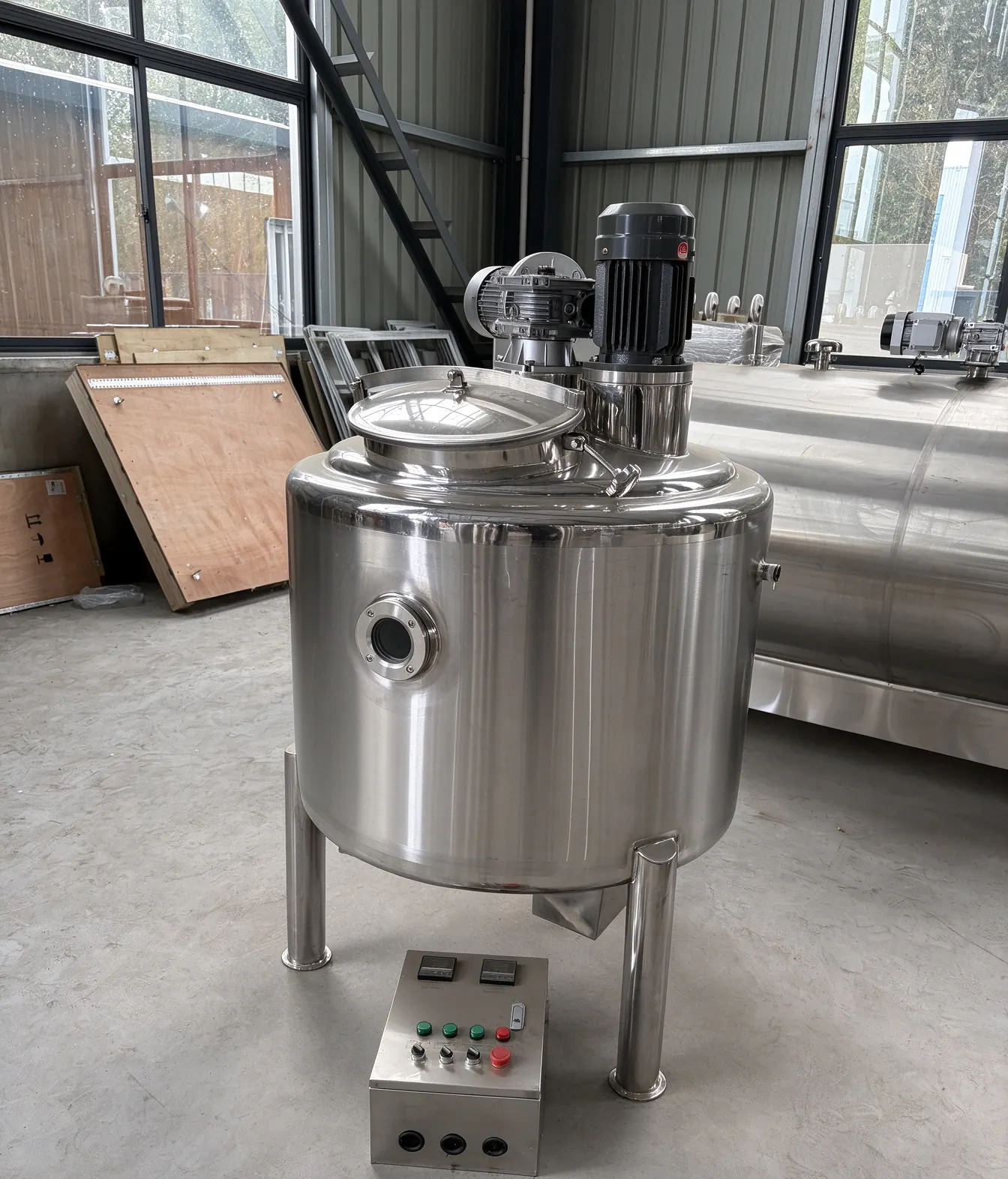
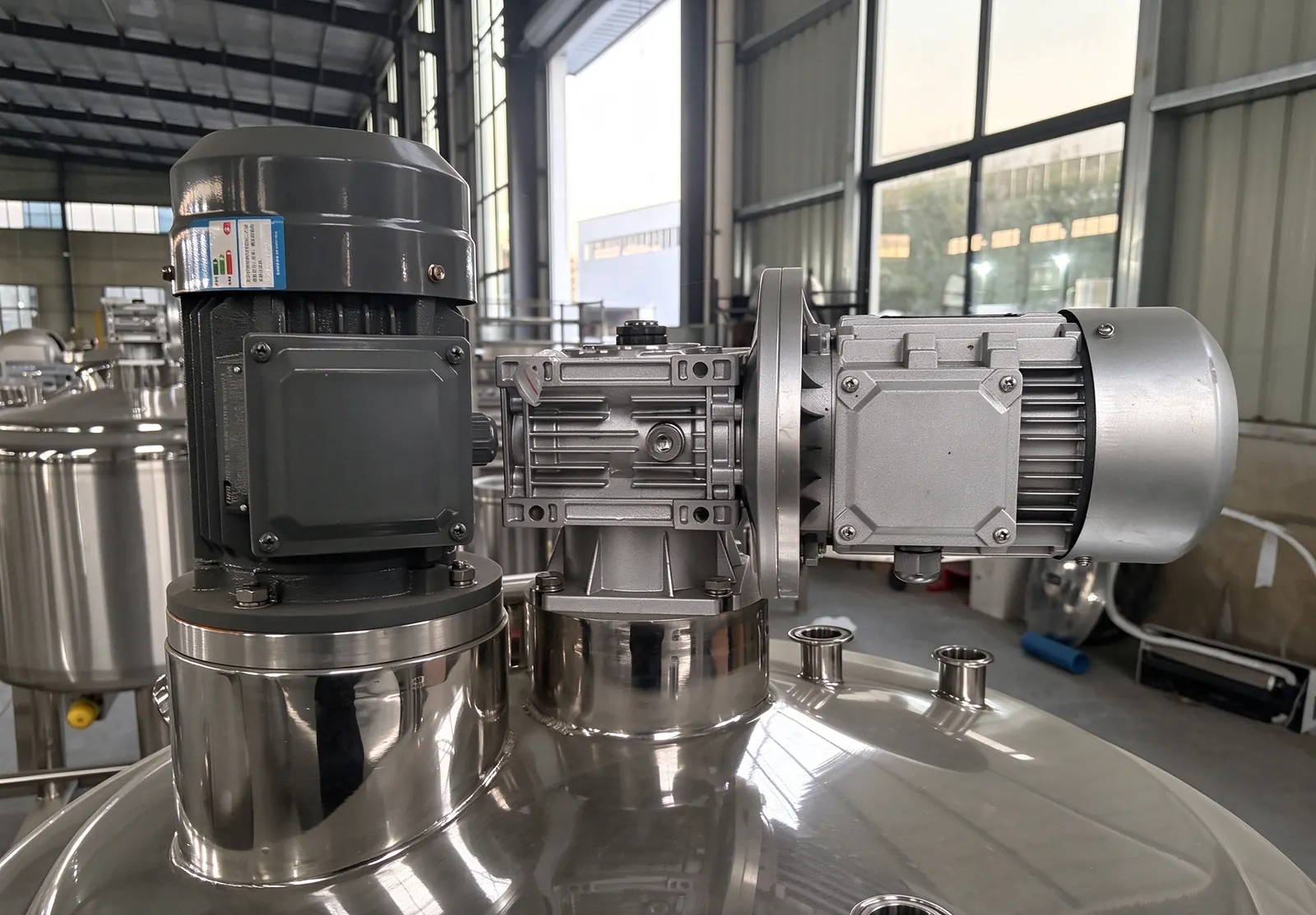
Jacketed tanks with high-shear or propeller agitators for syrup, reconstitution and recipe make-up.
Dairy Mixing Tanks - 4 Homogenising and deaeration
Added where the product needs it — cloudy juice, juice-milk drinks — and integrated from established suppliers.
- 5 Heat treatment
Plate or tubular system, with temperature and hold time set for your product and its pH.
Milk Pasteurization Equipment - 6 Buffer before filling
Keeps the heat treatment running steadily when the filler stops.
Milk Cooling & Storage Tanks - 7 Hot or aseptic filling
Bottle, carton or pouch filler specified to your pack and shelf life.
- 8 CIP
One CIP skid sized to the tank room, the heat treatment and the longest circuit.
CIP Cleaning Systems
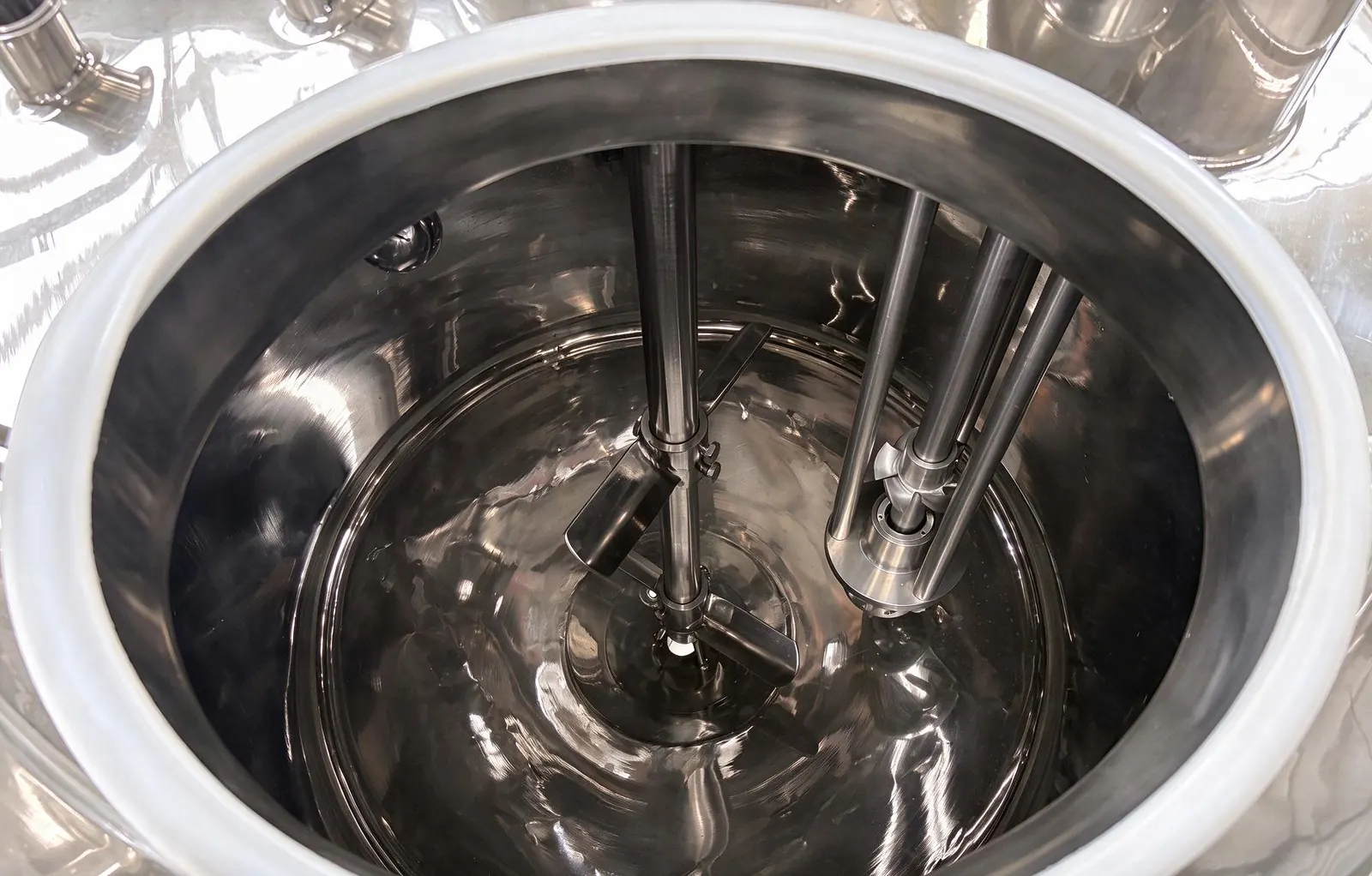
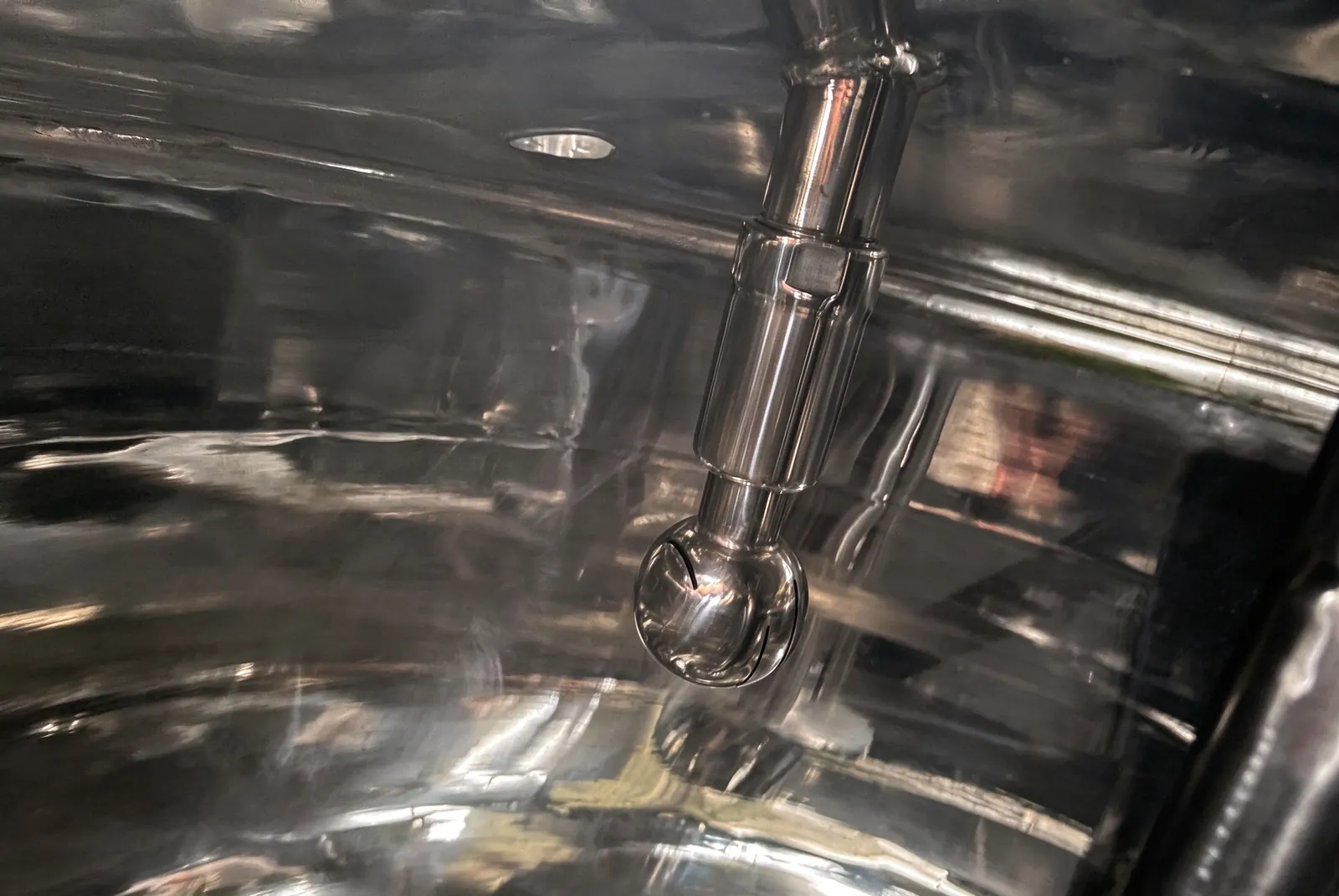
From our workshop
From enquiry to commissioning
- You send your requirements
Raw material, target product, capacity, local voltage and frequency, heating source and destination port. If you are not sure about some of these, tell us what you do know.
- We send a process proposal
A process flow, an equipment list with specifications, a suggested layout and a quotation. If more than one configuration makes sense, we explain the trade-off instead of sending one option.
- We manufacture and test
Fabrication, welding, polishing and assembly in our own workshop. Standard machines ship in 20 days; a complete line in 40–45 days.
- Installation and training
Our engineers travel to site — typically 4 days for installation, commissioning and operator training. Travel and accommodation are covered by the buyer.
Questions buyers ask
Can the same tanks run juice and dairy?
Do you build the fruit preparation and filling machines?
Tell us about your process
About three minutes. An engineer reads every request and replies with questions or a process proposal — not an automatic price list.