How to Size a CIP System for a Dairy or Liquid Egg Plant
CIP is the equipment most often bought too small. How to size tank volume, flow and the number of tanks from your circuits and cleaning window.
Liquid egg tanks do two jobs. Buffer tanks sit between the breaker and the pasteuriser, converting the surge flow of a breaking machine into the constant flow a pasteuriser needs. Storage tanks hold pasteurised product chilled until it is packed or used.
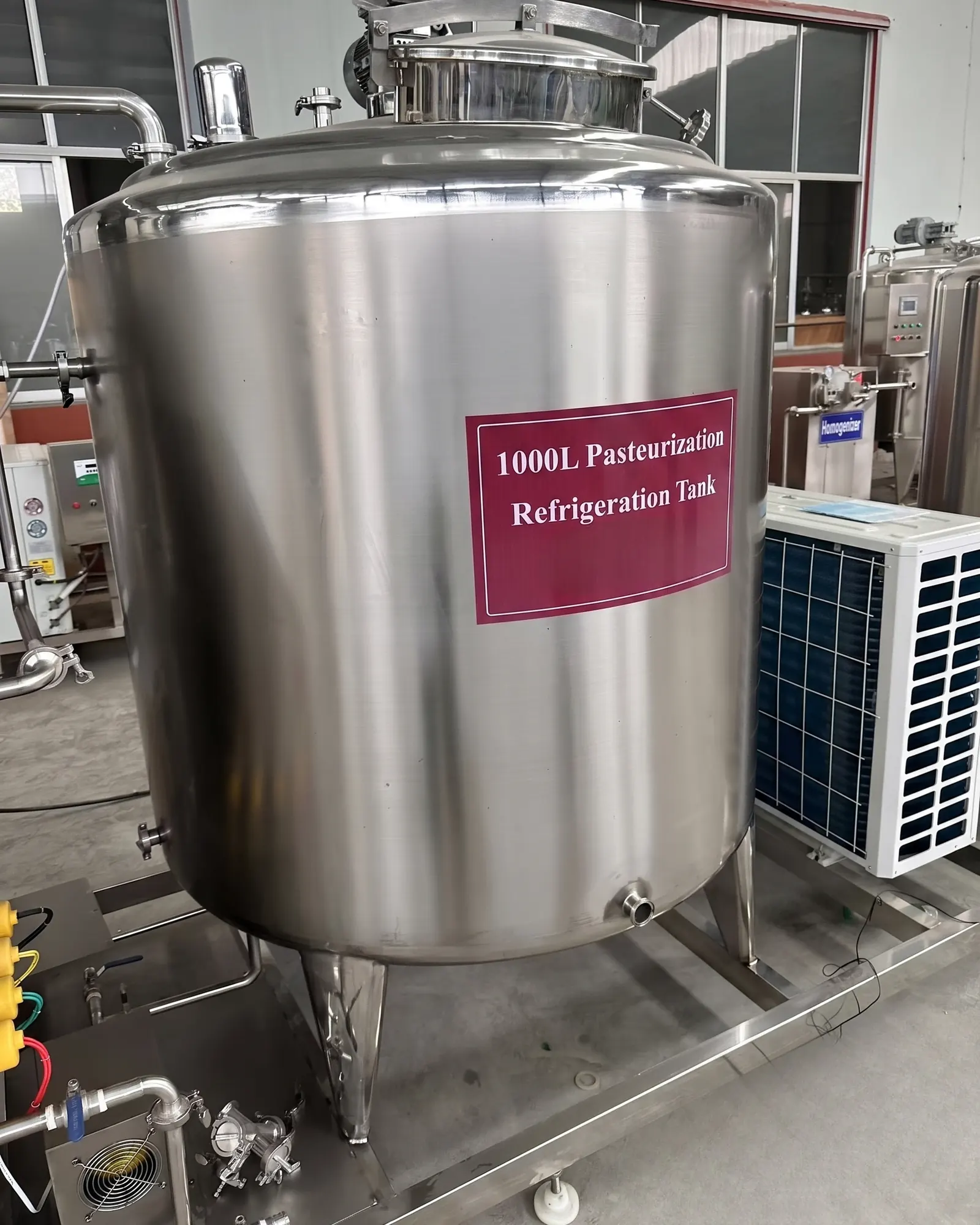
Both are temperature controlled, because liquid egg is an excellent growth medium and time at temperature is the variable that matters most.
Buffer and storage tanks are built to order with agitation, insulation and cooling specified for the duty. Tell us your breaking line throughput and how long product needs to be held.
Send my requirements →About 30–60 minutes of breaking output is usually enough to steady the flow into the pasteuriser.
Size to the volume you pack in one filling run, kept at about 4 °C. Separate tanks for white, yolk and whole egg if you sell all three.
Bag-in-box and aseptic bags are filled in batches, so plants that use them keep more storage tanks than plants that fill bottles continuously.
Send your daily volume and your site conditions. We will recommend a model and explain the reasoning — including a smaller machine than you asked for, if that is what makes sense.
CIP is the equipment most often bought too small. How to size tank volume, flow and the number of tanks from your circuits and cleaning window.
Work back from your egg supply, not forward from a machine rating. How to size a first liquid egg line and which stages buyers most often forget.