How to Size a CIP System for a Dairy or Liquid Egg Plant
CIP is the equipment most often bought too small. How to size tank volume, flow and the number of tanks from your circuits and cleaning window.
Liquid egg is pasteurised at a much lower temperature than milk, because egg protein coagulates at a lower temperature than milk protein. Heat liquid egg to milk pasteurisation temperature and it starts to set — you would be cooking it, not pasteurising it.
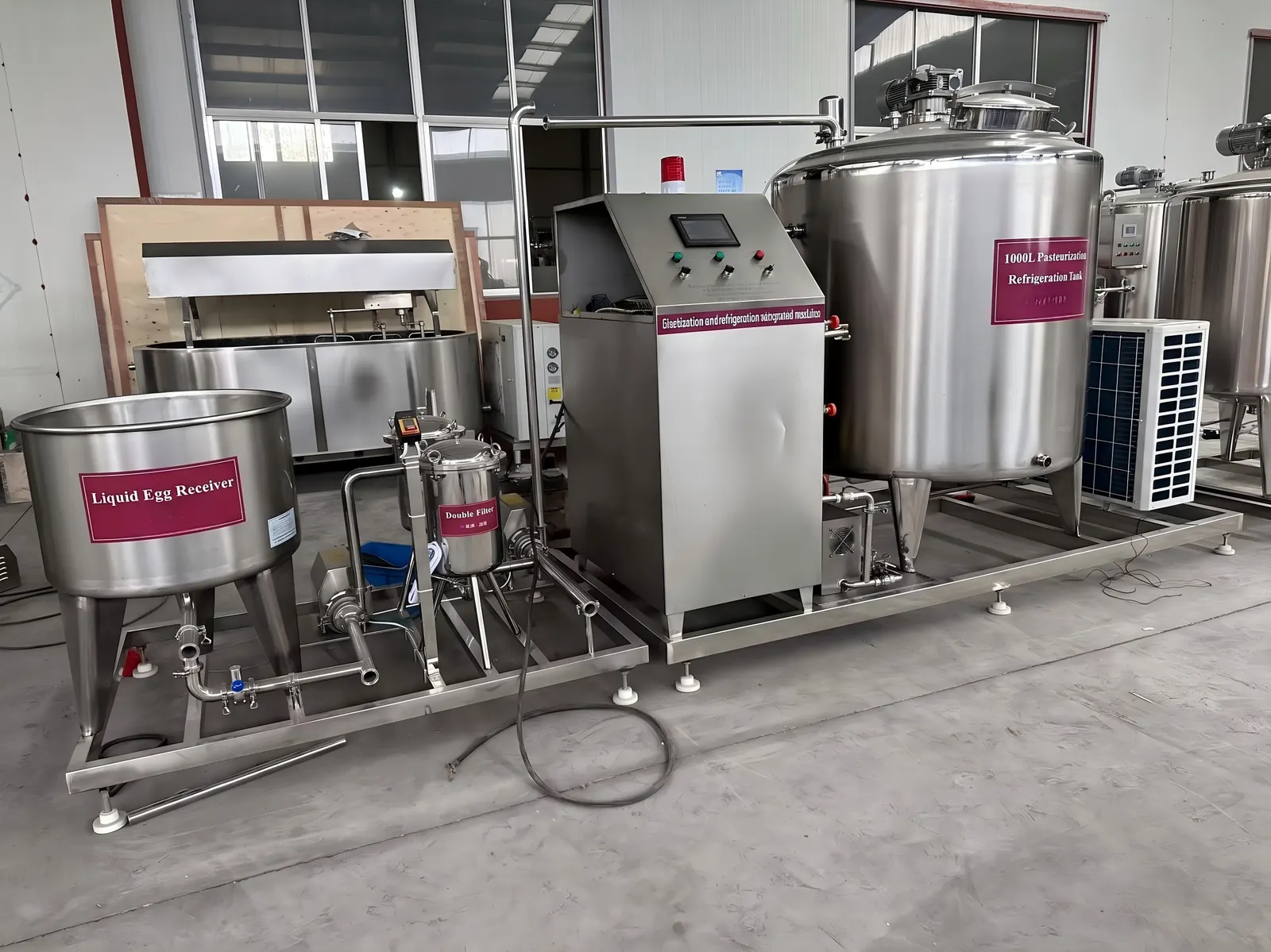
That leaves a narrow window: hot enough to be effective, cool enough not to coagulate. Our systems run egg white at 56–57 °C, whole egg liquid at 60 °C and egg yolk at 60–61 °C, each held for 3.5 minutes.
The consequence for equipment is tighter temperature control and longer hold times than a milk system needs. It is also why a milk pasteuriser cannot simply be reused for egg — the temperature programme, the hold time and the cleaning requirements are all different.
Liquid egg pasteurisers are built to order and sized to the throughput of the breaking line feeding them, with a buffer tank in between. Tell us your eggs per hour, which streams you pasteurise, and what happens to the product afterwards.
Send my requirements →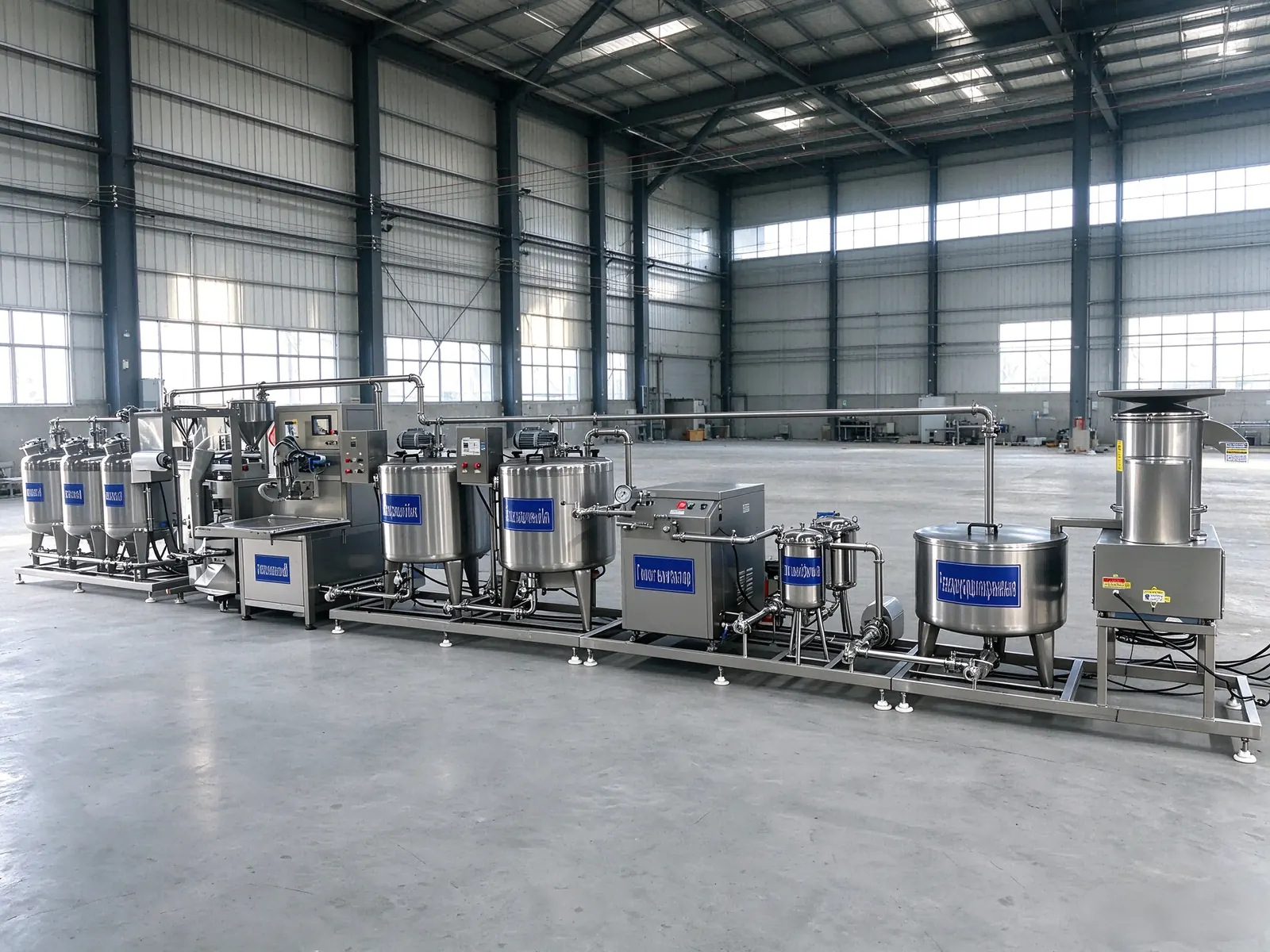
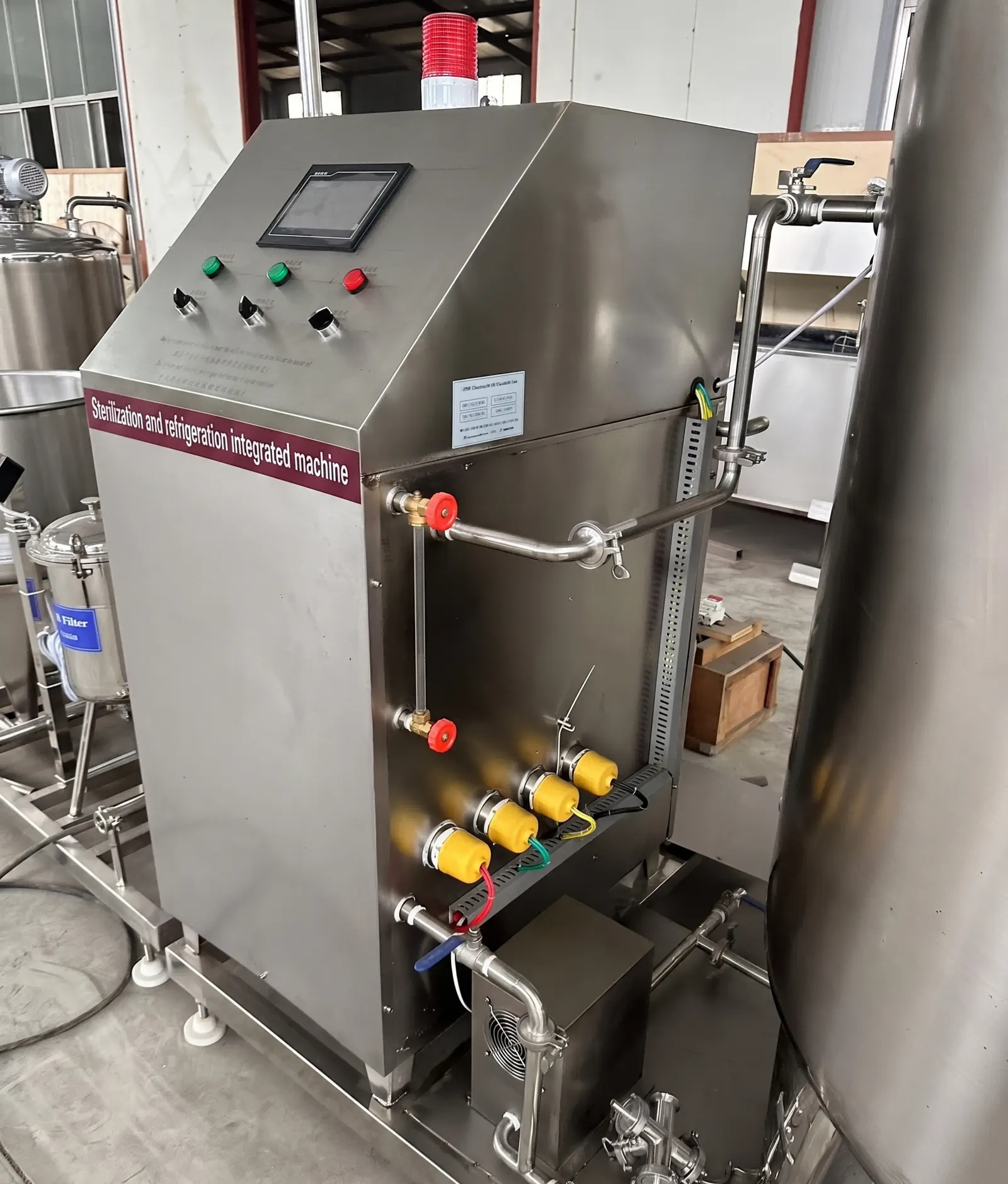
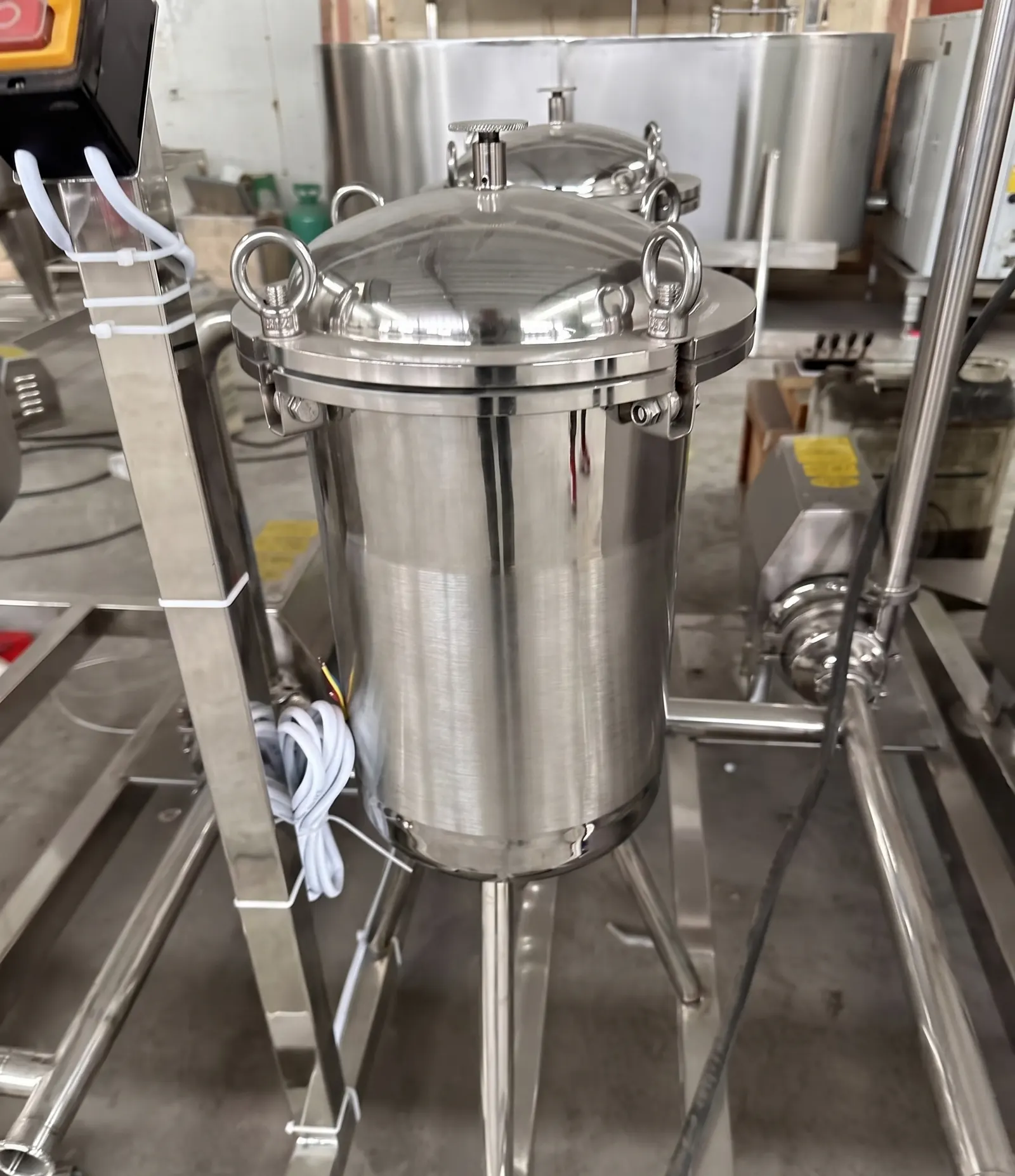
Whole egg, white and yolk each run a different temperature programme. A system handling all three needs to switch between them cleanly.
The pasteuriser is sized against the breaking machine feeding it, with a buffer tank in between to convert surge flow into constant flow.
Chilled storage, direct filling or further processing each change the cooling duty required at the outlet.
Send your daily volume and your site conditions. We will recommend a model and explain the reasoning — including a smaller machine than you asked for, if that is what makes sense.
CIP is the equipment most often bought too small. How to size tank volume, flow and the number of tanks from your circuits and cleaning window.
Work back from your egg supply, not forward from a machine rating. How to size a first liquid egg line and which stages buyers most often forget.