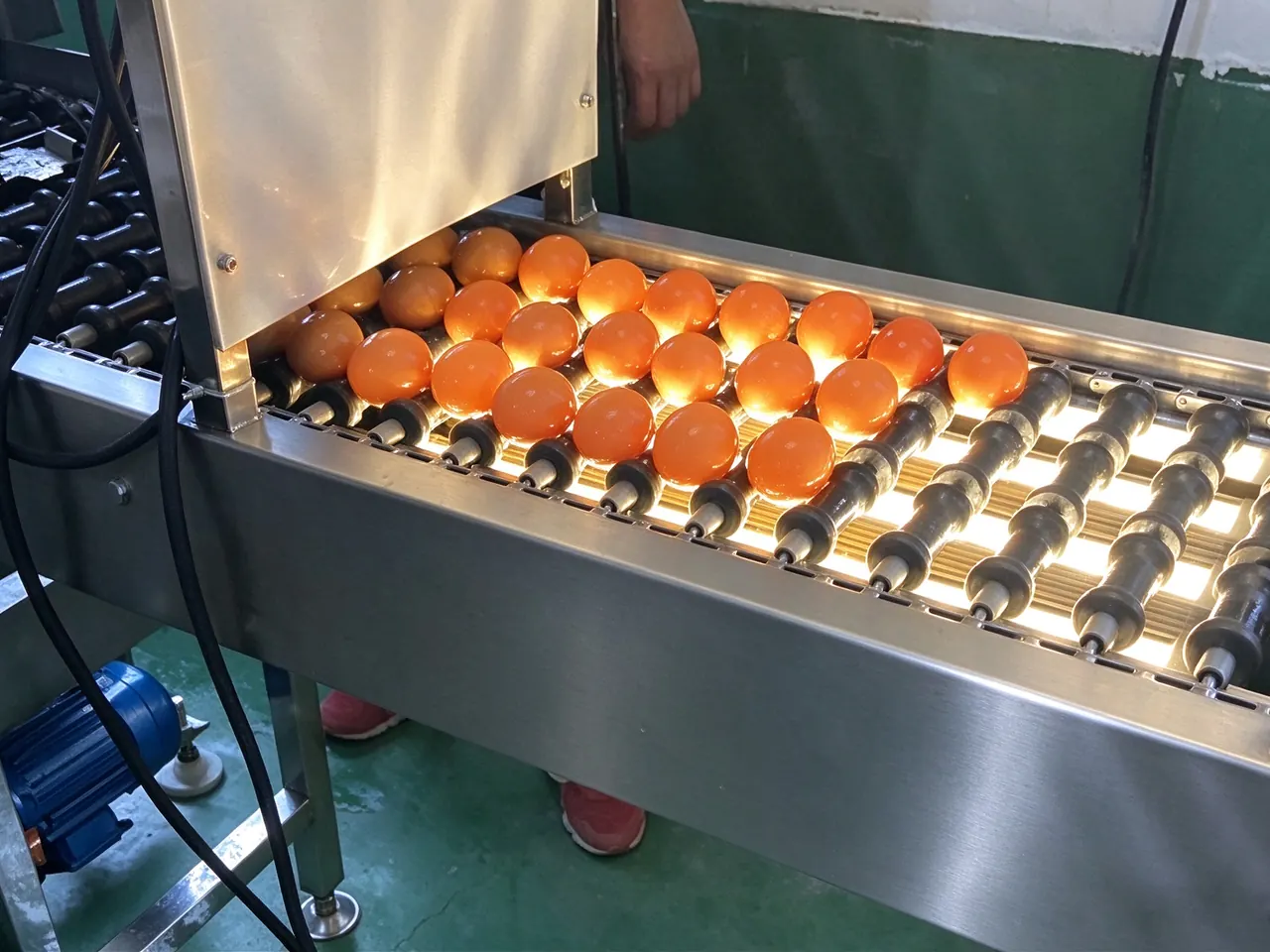
Egg Washing Lines
Washing, air drying and candling in one sectional line, 10,000–15,000 eggs/h on the 2-row model.
A liquid egg line has four jobs to get right: eggs arrive clean and dry, they are broken without shattering the shell, one bad egg never reaches the tank, and the liquid is pasteurised inside the narrow temperature window egg protein allows.
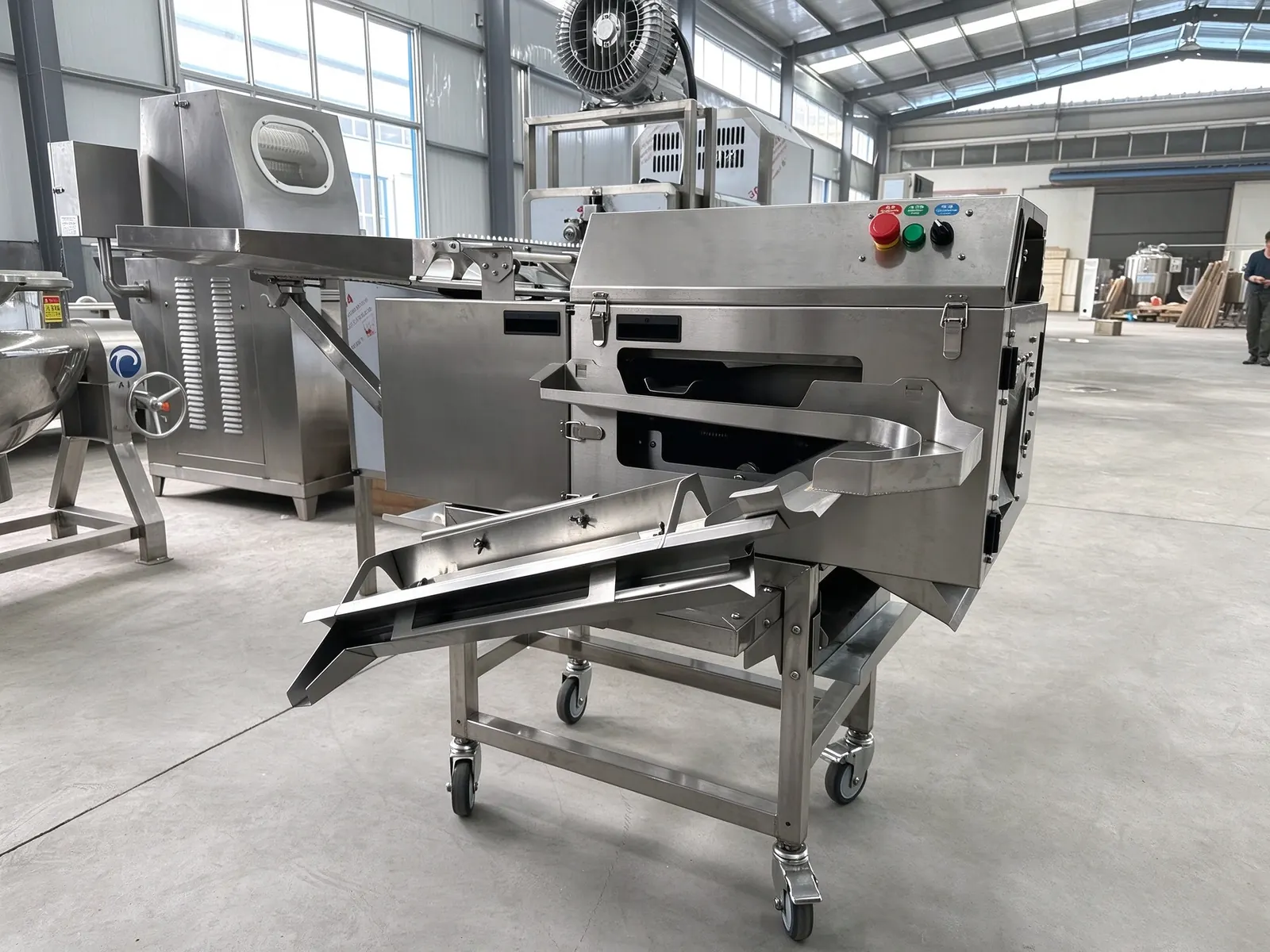
We build the equipment for all four stages — washing lines, grading machines, chain-type breaking machines from 5,400 to 16,000 eggs per hour, separation, pasteurisers and chilled storage — and we size them against each other so no stage becomes the bottleneck.
Capacity is worked back from your egg supply and shift pattern rather than forward from a machine rating. Buying more capacity than your supply supports raises the cost per egg processed rather than lowering it.
Washing, air drying and candling in one sectional line, 10,000–15,000 eggs/h on the 2-row model.
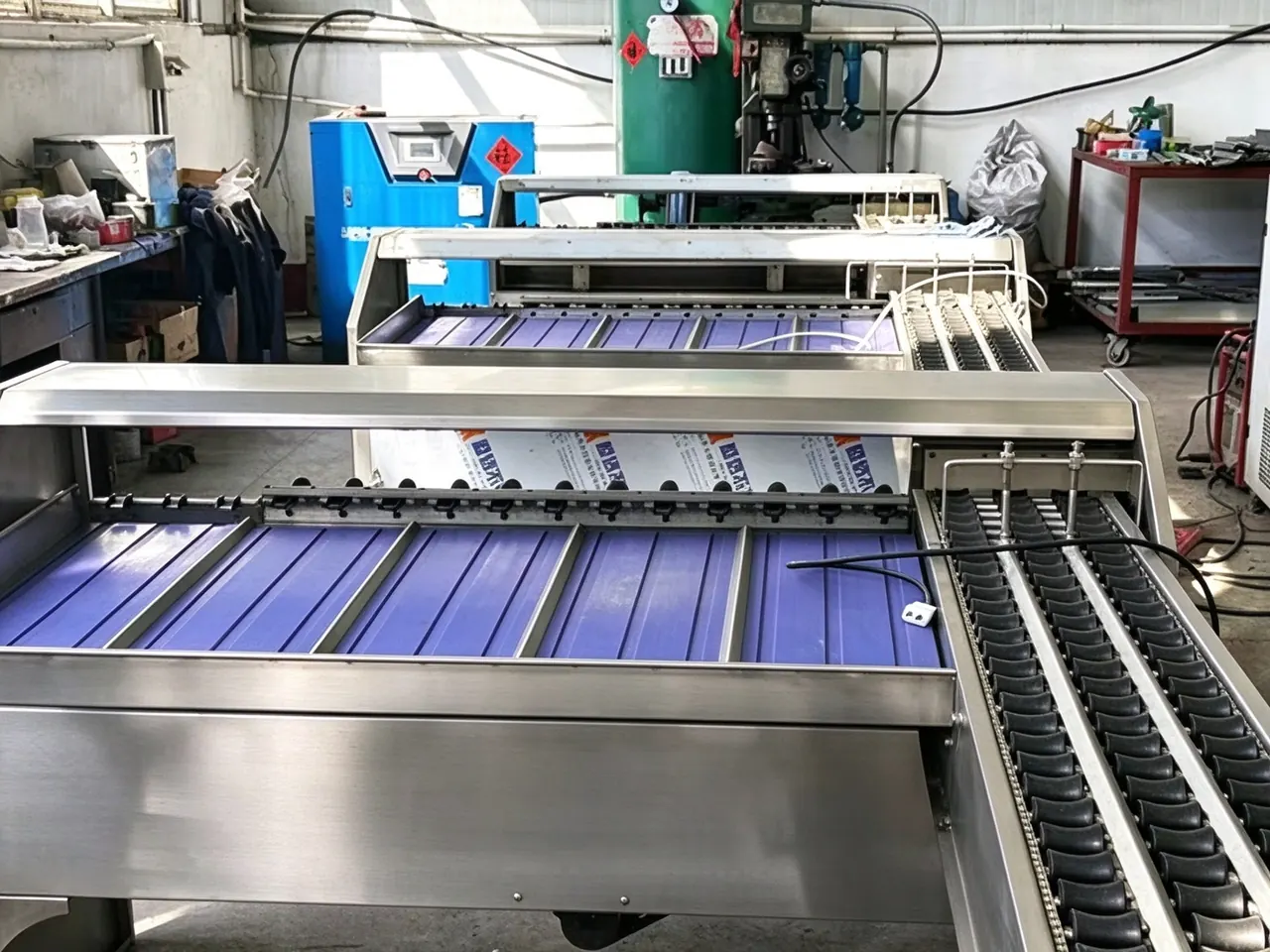
Weight grading into 5 or 7 classes, 4,000–11,000 eggs/h, for packing or ahead of breaking.
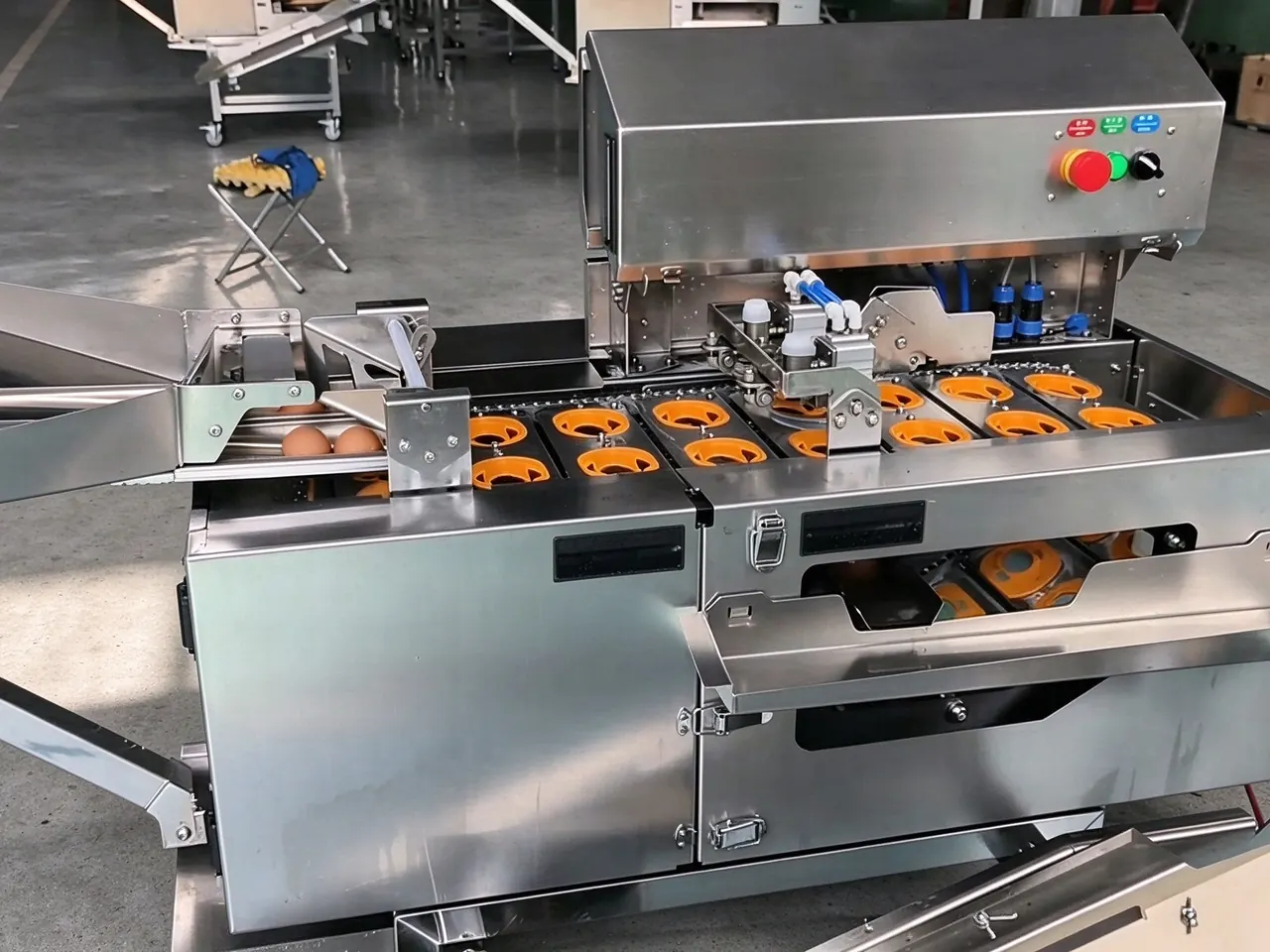
Chain-type breakers from 5,400 to 16,000 eggs/h with individual cups, inspection and white/yolk separation.
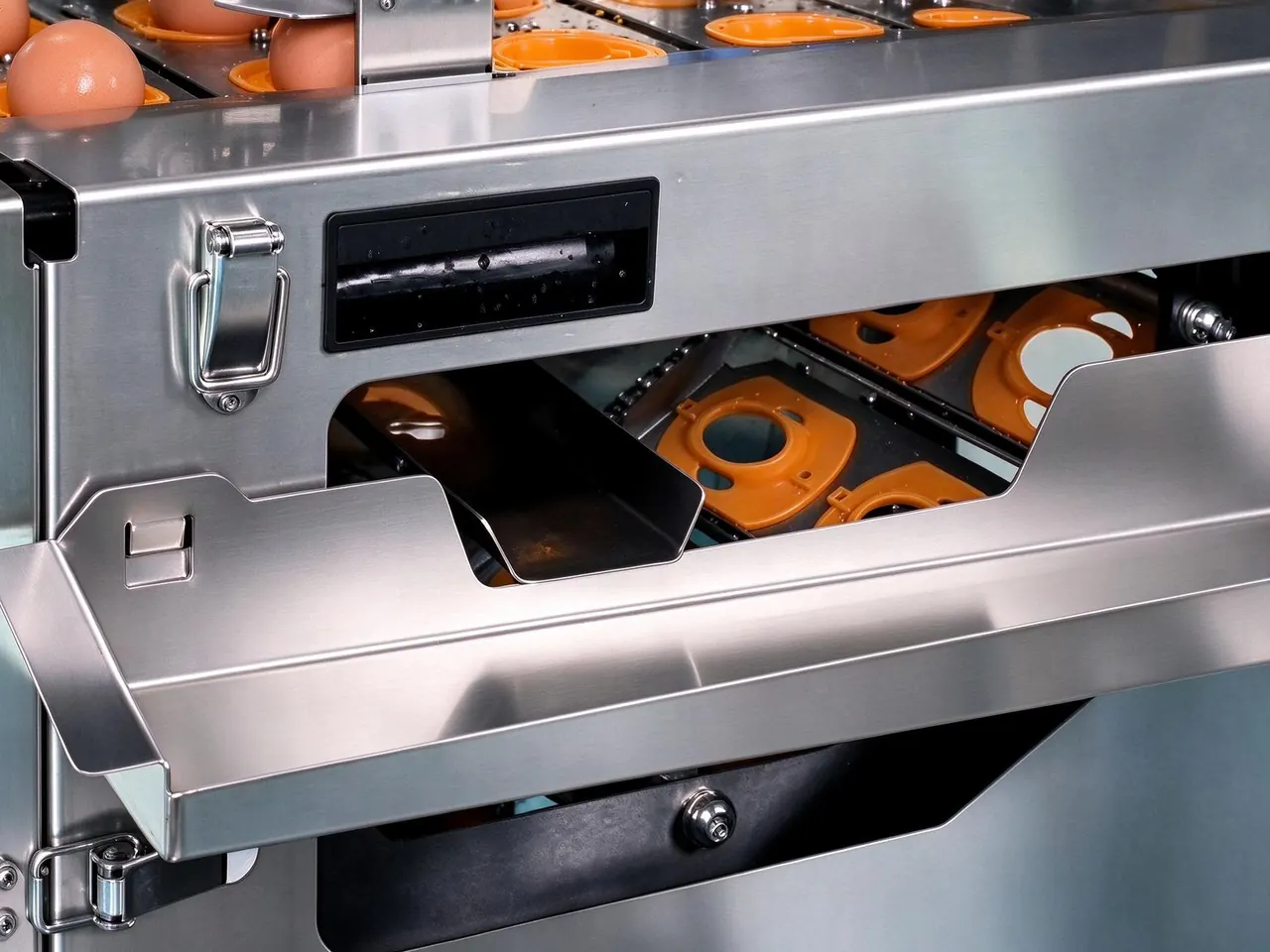
Separation and polishing equipment, specified with the breaker, for egg white with low yolk carryover.
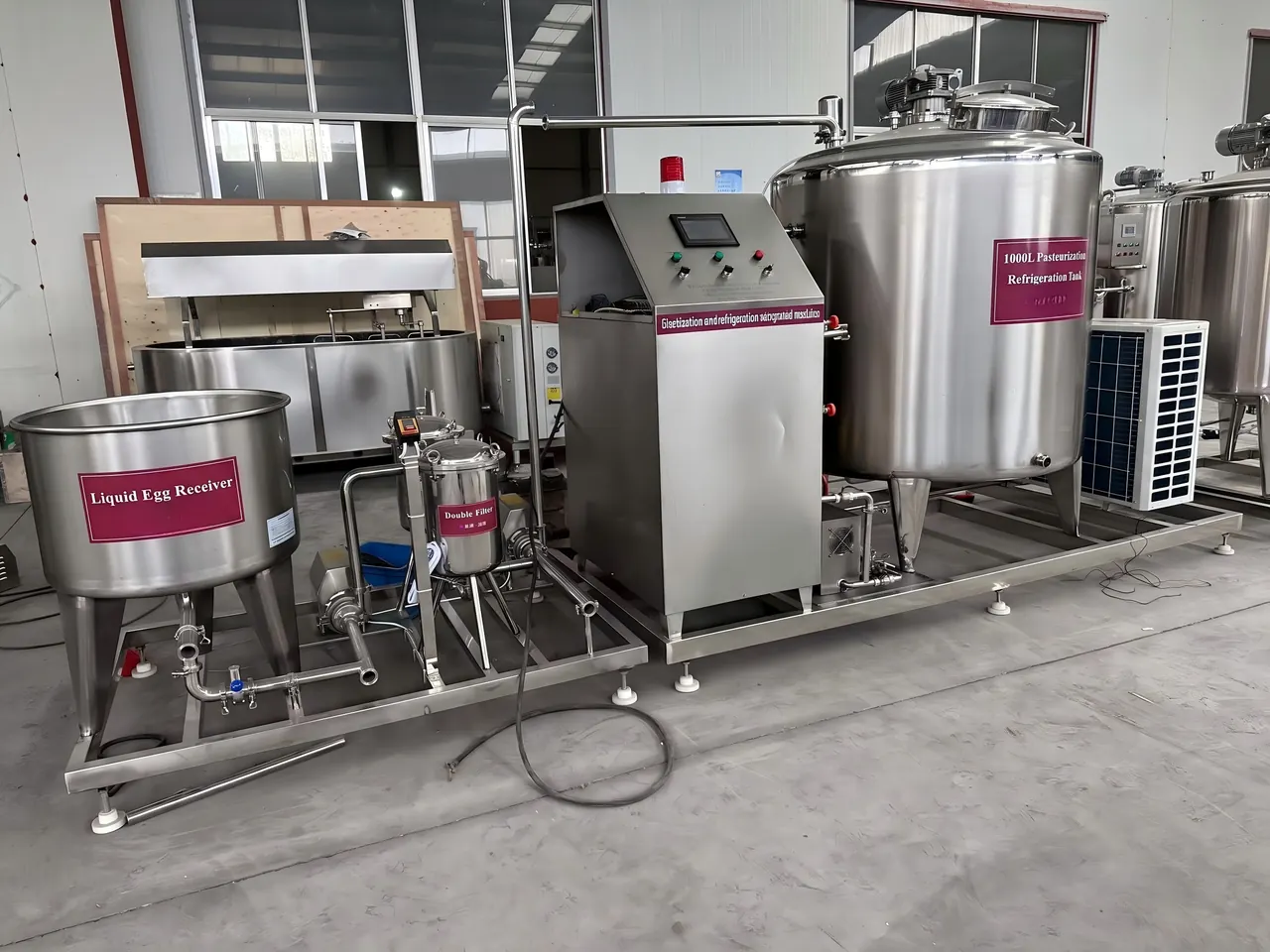
Low-temperature pasteurisers for whole egg, white and yolk — 56–61 °C with a 3.5 minute hold.
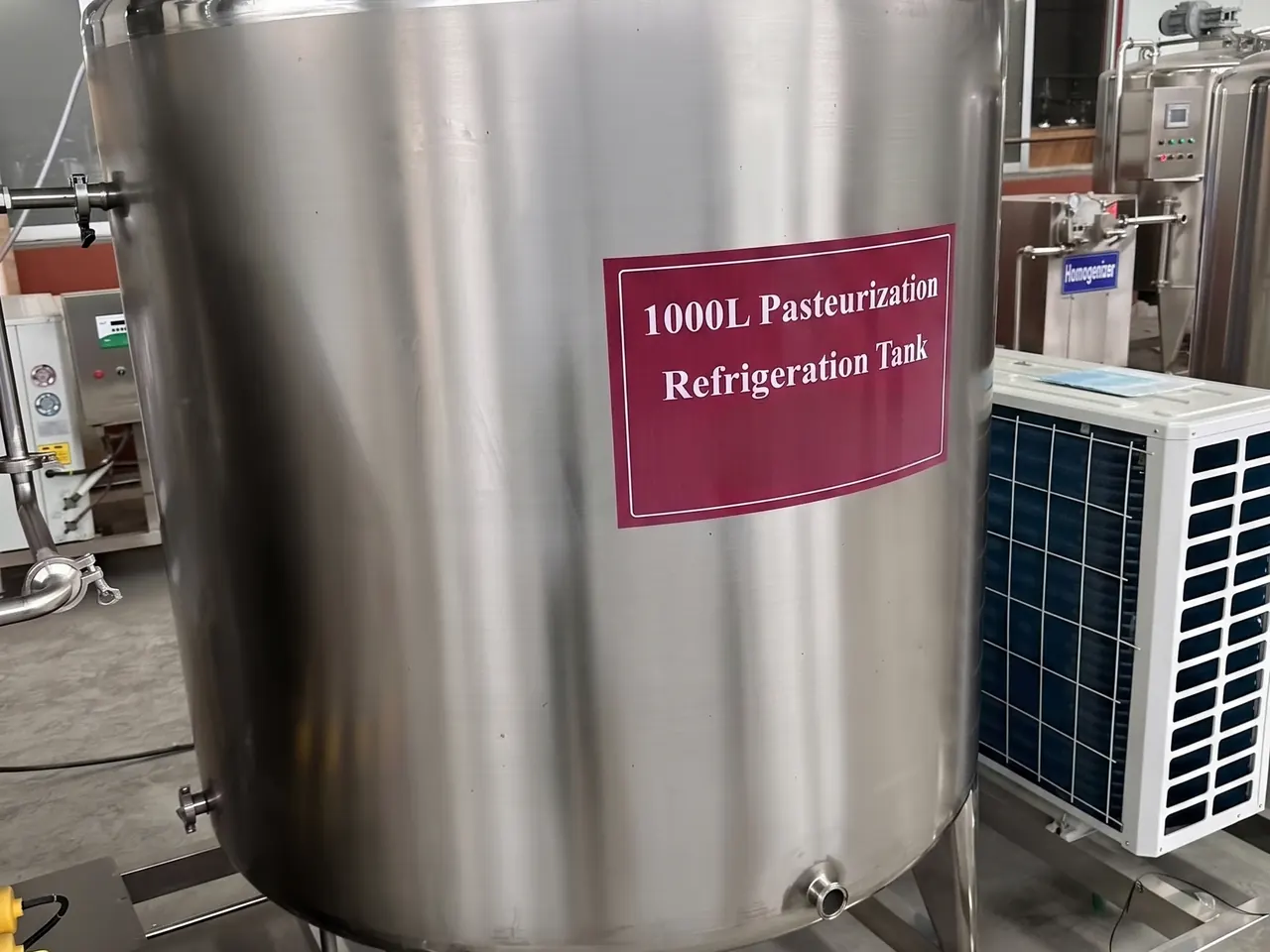
Buffer tanks between breaker and pasteuriser, and chilled storage for pasteurised product.
Washing, grading, breaking, separation, pasteurisation and chilled storage, with the buffer stages that keep flow steady.
Milk and liquid egg are both heat-sensitive, high-protein liquids needing similar hygienic construction. We build both in the same workshop.
A quotation for processing equipment is only as accurate as the information behind it. If you can answer these questions we can send a process proposal and a price. If you can only answer some of them, send what you have and we will ask about the rest.
Send my processing requirements →