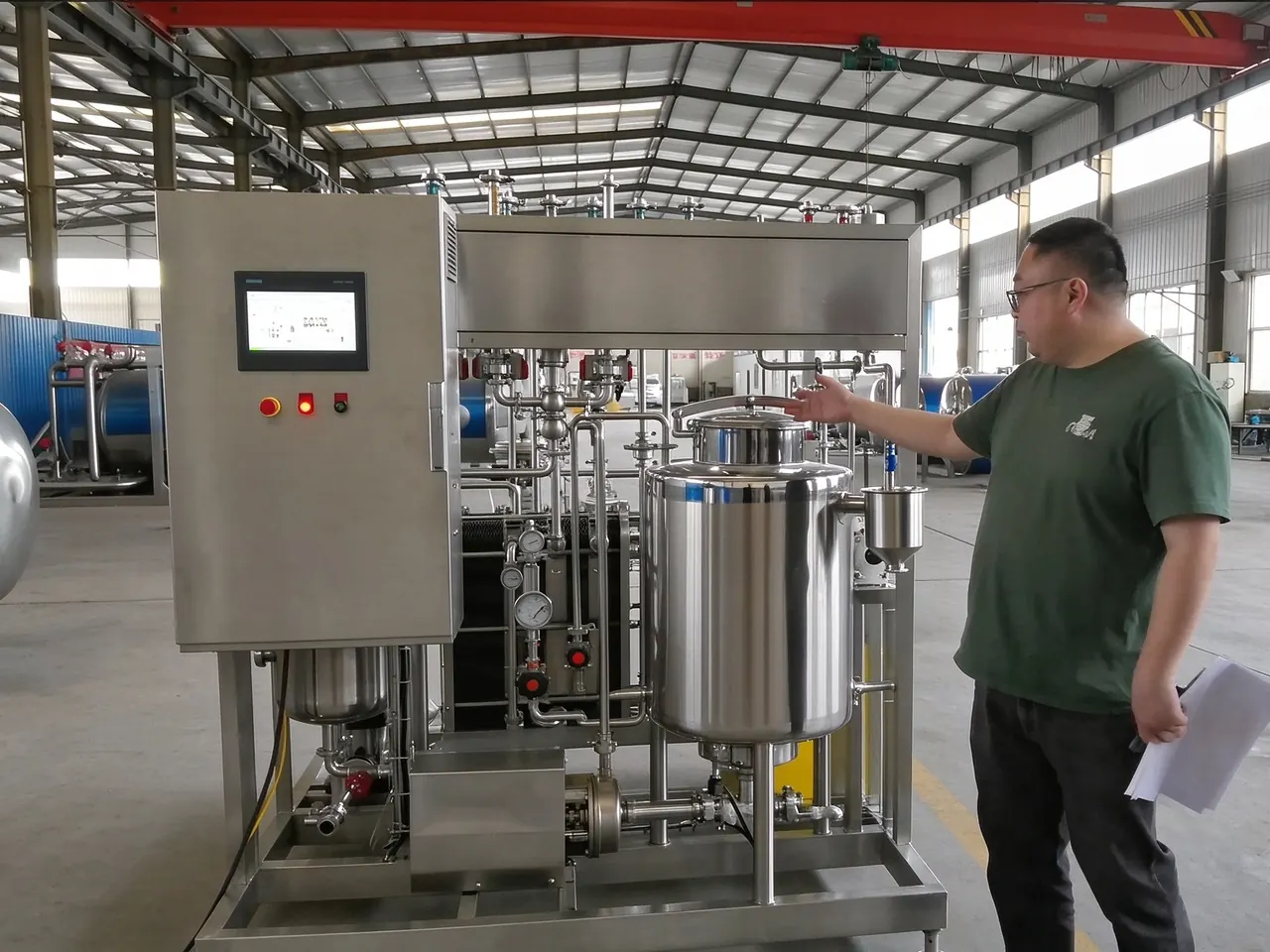
Plate UHT Sterilizer
A continuous plate heat treatment system for milk and similar liquid dairy products.
Also called milk pasteurization machines or HTST pasteurizers.
Heat treatment is where most of the risk in a dairy plant sits. Too little heat and the product is unsafe; too much and you damage flavour, protein and shelf life for no benefit. The equipment has to hold milk at the right temperature for the right time, every time, and prove that it did.
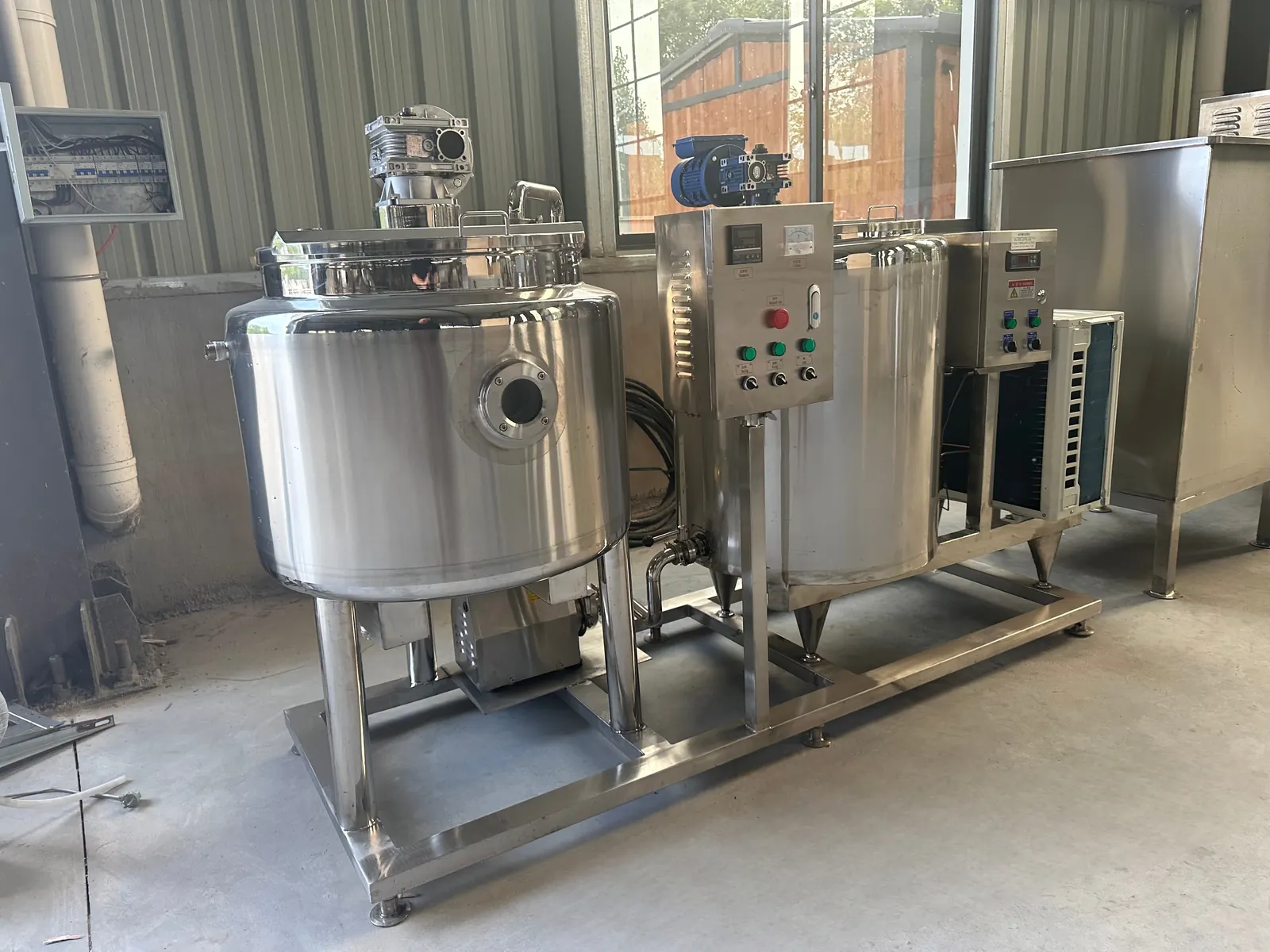
We build plate systems from 1,000 to 10,000 litres per hour and specify tubular systems where the product will not pass a plate gap. Sizing starts from your throughput, the steam available on your site and the shelf life you need — the right choice is rarely the one with the highest capacity, but the one that matches how you actually run.
Steam consumption is published per model rather than quoted on request, because it is the figure most likely to catch a buyer out after installation.
A continuous plate heat treatment system for milk and similar liquid dairy products.
Tubular systems and batch pasteurisers are also built to order. Tell us your product and volume and we will send the specification directly.
Send my requirements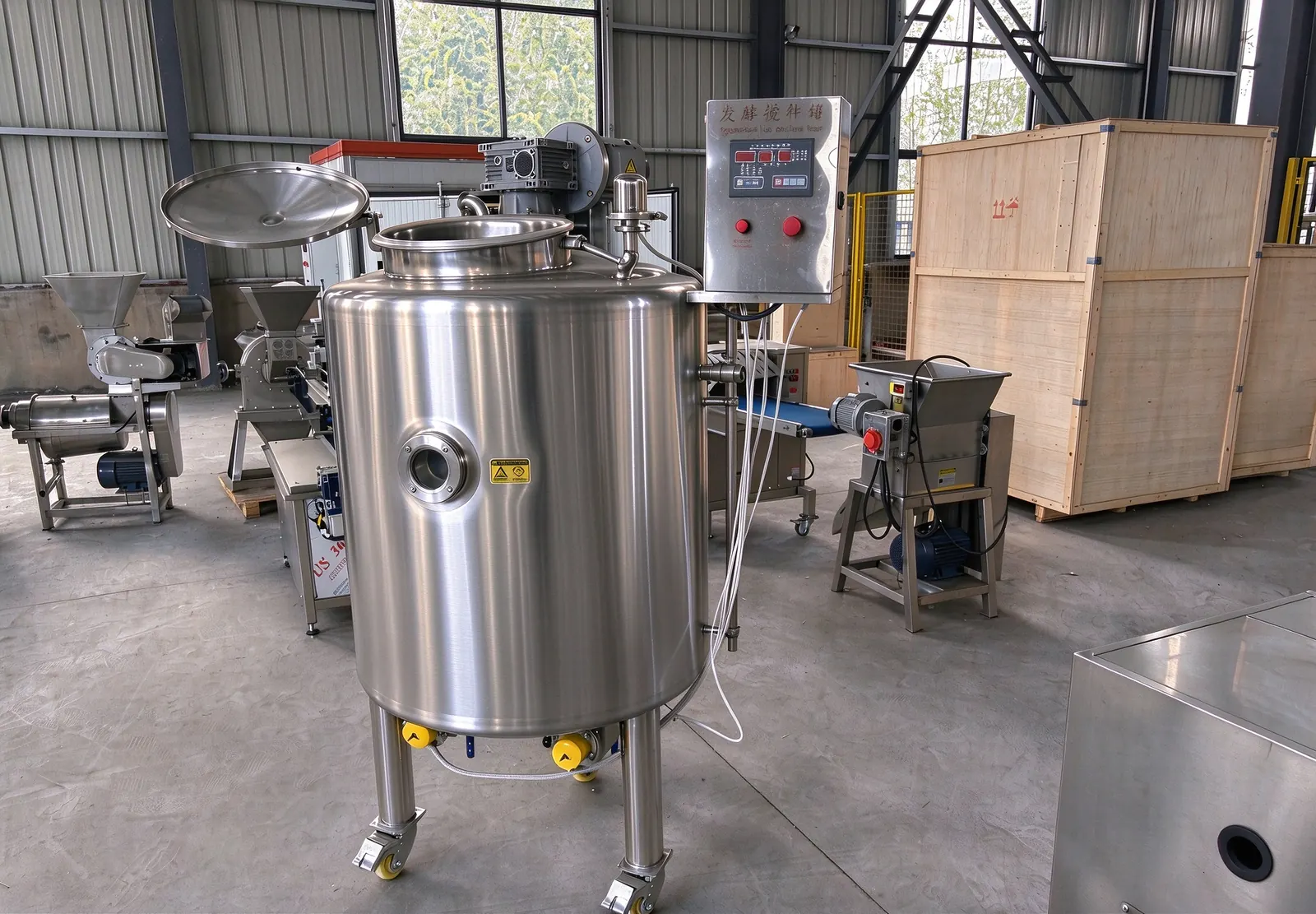
Litres per hour matters less than litres per day and how many hours you run. A plant doing 8,000 litres over ten hours needs different equipment from one doing 8,000 litres in three.
Whole milk, skimmed milk, cream, yogurt base and flavoured milk behave differently in a plate gap. Products with particulates or high viscosity need a tubular exchanger instead.
Our systems consume between 220 and 2,000 kg of steam per hour depending on capacity. Check that figure against your boiler — including whatever else it serves — before choosing a model.
The shelf life you need determines whether pasteurisation is sufficient or whether UHT and aseptic filling are required. This decision costs more to change later than any other in the plant.
Some markets require automatic temperature recording and flow diversion, and specify how records are kept. Recording is far easier to fit at manufacture than to retrofit.
Send your daily volume and your site conditions. We will recommend a model and explain the reasoning — including a smaller machine than you asked for, if that is what makes sense.
The choice between pasteurized and UHT milk is decided by your distribution chain, not your budget. A practical guide for new dairy plants.
CIP is the equipment most often bought too small. How to size tank volume, flow and the number of tanks from your circuits and cleaning window.